
When a Part-Paid Invoice Leaves a Balance
Related Guides

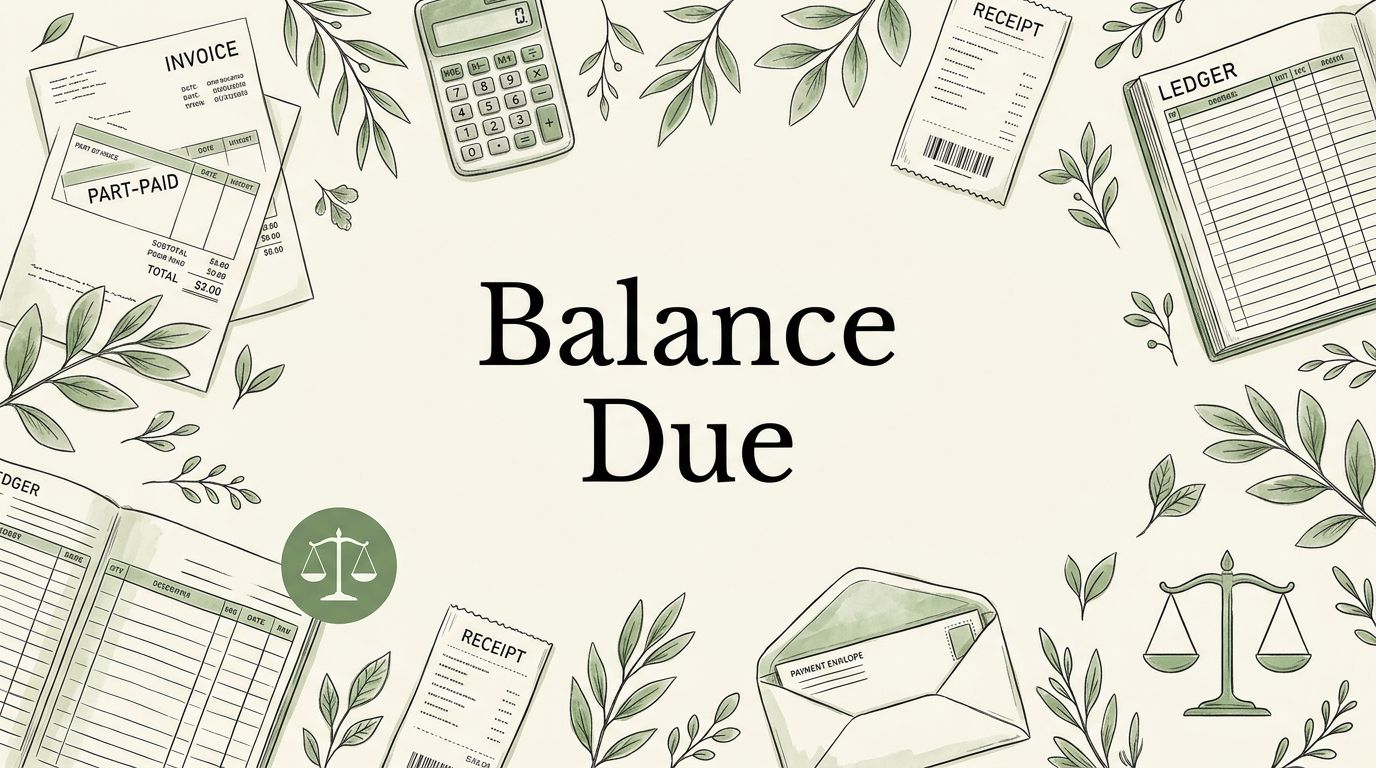
A partial payment may look like progress, but it doesn’t settle the account. A short-paid invoice can become an aged debt that damages your cash flow.
A partial invoice covers a defined stage of work, while an invoice paid in part leaves a remainder still due.
With a part-paid invoice, credit control means recording the payment, stating the unpaid amount, and setting a route to payment. Fast, calm follow-up also shows that you are managing the account, not abandoning the balance.
Key Takeaways
- Record a part-paid invoice promptly, allocate the receipt correctly, and keep the invoice status as “partially paid.”
- Confirm whether the reduced payment reflects an agreed instalment, credit note, retention, dispute, or unexplained short payment.
- State the original invoice amount, payment received, remaining balance, and fresh payment deadline in writing.
- Keep the unpaid amount in accounts receivable, retain a complete payment file, and reconcile every receipt against the ledger.
- Escalate in measured stages after a reasonable deadline, checking the contract, credit notes, applicable law, and any agreed payment plan first.
When a part-paid invoice reaches your account
Record the receipt in your invoicing software within one or two business days. Post it to accounts receivable and assign an invoice status such as “partially paid.” Check the payer’s name, bank reference, amount received, invoice total, and payment terms. For subscription invoices, check the billing period or subscription cycle before allocating the receipt. Then look for a remittance note or email explaining why the customer paid less.
Don’t issue a second invoice for work that the first invoice already covers. A partial invoice for a defined project stage is different from an invoice that has merely been partly paid. Check whether a final invoice is due under an agreed staged-billing arrangement, but don’t issue a duplicate.
Separate a genuine dispute from a short payment
A partial payment may be valid when it follows an agreed schedule for installment payments, an authorised retention, a pricing correction, or a credit note. An unexplained receipt is a short-paid invoice, and without an agreed reason, the unpaid amount remains due.
Contact the customer promptly if their payment has no explanation. Ask whether they dispute a line item, made an allocation error, or need a short payment plan. Ask them to confirm the reason in writing and provide support for any reduction, such as a credit note. Written confirmation supports dispute management because a vague phone call is hard to prove later.
State the balance due in writing
After a partial payment, send a notice for the short-paid invoice while the payment is still fresh in the customer’s accounts-payables process. Your message should show the invoice number, original amount, payment received, remaining amount, and a new payment deadline.
Calculate the remaining balance correctly
Use this calculation:
Remaining balance = invoice total + valid charges – payments received – approved credit note amount
Only add interest or late fees if your contract and applicable law allow them. Apply an approved credit note once, document it, and apply any charge to the outstanding balance, not automatically to the original invoice amount. For subscription invoices, identify the relevant billing period before calculating the amount due. If the client pays in another currency, follow the exchange-rate method stated in your contract.
We received $2,000 on 14 August 2026 toward Invoice 1042, originally issued for $5,000. We accept this as part payment only, not as full and final settlement. The remaining balance of $3,000 is due by 28 August 2026. If you dispute any amount, reply in writing with the relevant invoice line and reason.
Avoid accepting a reduced settlement by mistake
Never mark the invoice “paid,” create a partial invoice, or create a duplicate final invoice merely to mirror money received. Don’t issue a credit note or write that the account is settled unless you have agreed to reduce the debt. Those actions can weaken your position later.
If the customer labels a payment “full and final settlement,” get local legal advice before accepting or using it. Contract rules differ between jurisdictions. Where the debtor, contract, or payment route crosses borders, International debt recovery support can help you assess the documents and the appropriate route.
Keep records that support debt recovery
Your invoicing software should match each payment to the exact invoice and record an invoice status of partially paid. Leave the unpaid portion in accounts receivable, keeping your aging report honest and the balance on your collection list.
A reduced payment affects cash flow and reconciliation because you have received income without collecting the full receivable. Reconcile every receipt against the ledger as a core credit control task, especially when one customer has several open invoices.
Keep a complete payment file
Retain a clear record of:
- The signed contract, purchase order, and any agreed instalment schedule.
- The original invoice, including its number, date, tax details, currency, line-item description, and any related credit note.
- Bank evidence showing the date, amount, payment method, and reference.
- Your balance statement, reminders, and any final demand.
- Emails or messages that record a dispute, promised payment date, or settlement proposal.
- A dated calculation of interest, fees, credits, adjustments, and the amount still owed, with the relevant credit note attached.
If the client has several invoices, ask them to state which debt their payment covers. Otherwise, apply a written allocation policy consistently, subject to your contract and local law. For subscription invoices, keep recurring billing periods separate from newer charges, so payments aren’t wrongly applied to a later cycle.
If you are collecting from an individual rather than a business, different rules may apply. The U.S. debt collection FAQs outline consumer protections that can affect communications and escalation.
Set a reasonable deadline before escalation
Your fresh deadline should be firm but realistic. Seven to 14 calendar days is often suitable for an overdue B2B balance, although the contract, relationship, and previous promises should guide you. If the customer needs more time, agree a payment plan in writing, with exact amounts and dates set out in a payment schedule.
For future projects with material costs or long delivery periods, including construction projects, consider a down payment or advance payment before work begins. Deposits commonly range from 25% to 75% for higher-risk work, depending on the project and client history, and can support credit control.
Escalate in a measured sequence
Start with the balance statement, then send a final written demand if the deadline passes and the account reaches overdue status. State what you will do next using a proportionate collection method, but never threaten action you cannot take.
Before claiming interest, late fees, collection costs, or legal expenses, check for any agreed credit note and review your contract and commercial terms. For a UK debt recovery claim, the government’s guidance explains statutory interest for qualifying commercial debts, including the rate of 8% plus the Bank of England base rate.
For subscription invoices, make sure reminders, service restrictions, and escalation follow the recurring-billing contract.
For an aged, disputed, or high-value B2B debt recovery matter, a Debt Recovery Hub referral can help you identify a suitable specialist. Give any debt recovery agency the complete payment file, and seek local legal advice before court action.
Frequently Asked Questions
What is a part-paid invoice?
A part-paid invoice is an invoice where the customer has paid less than the total amount due. The remaining balance stays open until it is paid or reduced through a documented agreement.
Should I issue a new invoice for the unpaid amount?
Usually, no. Do not issue a duplicate invoice when the original invoice already covers the work; instead, record the payment and send a written balance statement.
How do I calculate the remaining balance?
Use the invoice total plus any valid charges, less payments received and approved credit notes. Apply interest or late fees only when the contract and applicable law allow them.
What should I do if the customer gives no reason for the short payment?
Contact the customer promptly and ask whether the payment relates to a dispute, allocation error, or payment-plan request. Ask for the reason and any supporting documents in writing, while keeping the unpaid amount in accounts receivable.
When should I escalate an unpaid balance?
Give the customer a firm but realistic deadline, often seven to 14 calendar days for an overdue B2B balance unless the contract or circumstances require otherwise. If the deadline passes, follow a measured sequence of reminders and final demand, checking the contract and applicable law before claiming fees or taking legal action.
Keep the Balance Visible Until It Is Paid
A short-paid invoice remains open until you receive payment or agree a documented settlement. Clear records, an unambiguous balance notice, and disciplined follow-up keep the balance due visible until then.
The same discipline applies to subscription invoices, particularly when each billing cycle must stay separate. Firm communication gives your customer a fair deadline while protecting the unpaid balance and documenting the outstanding balance.
Category :
Share :