
A short paid invoice is one where the customer has sent less money than the invoice states, leaving an outstanding balance you still need to collect. The moment you spot one, record the part payment against the correct invoice and note the shortfall in your accounts, then contact the customer with the exact figure owed. Acting within a day or two keeps the gap small and the paper trail clean.
TL;DR:
- Record each receipt against its invoice, leave the balance outstanding, follow the customer’s allocation instructions or apply a consistent policy, and timestamp the entry.
- Without an agreed prompt payment discount, VAT generally remains due on the full invoice until a documented price adjustment; cash accounting instead taxes receipts as received.
- Remind the customer within days, follow up firmly after about a week, then issue a final demand; track disputes against the proposed 30 day window.
- Send a letter before action for undisputed debts, and consider agencies or litigation for older or contested balances while checking the six year limitation period.
Table of Contents
- Quick checklist: first actions to take when a customer short pays
- How to record the partial payment in your accounts
- Communicating with the customer: reminder templates and negotiation steps
- Escalation and recovery options: interest, compensation and legal steps
- When a specialist debt recovery platform makes sense
- A practical mindset for finance teams chasing short payments
- How Debtrecoveryhub can help recover the unpaid balance
- FAQ
- Sources
Quick checklist: first actions to take when a customer short pays
Before you chase anyone, confirm exactly what happened. A short payment can come from a genuine dispute, a pricing error, cashflow trouble, or a simple mistake on the remittance.
- Check the bank receipt against the payment reference and confirm which invoice or invoices the payment is meant to cover.
- Review your invoice terms, any prompt payment discount you offered, and whether the customer has raised a dispute.
- Allocate the payment in your ledger: follow the customer’s instructions if they gave any, otherwise apply your standard allocation policy and timestamp the entry.
- Send a short, polite reminder stating the outstanding amount and how to pay it.
- Open a case file holding the original invoice, the bank trace, any remittance advice, and your email correspondence.
The Small Business Commissioner’s guidance on unpaid invoices sets out broadly this same sequence: check terms, send reminders, contact the client directly, resend the invoice if needed, and consider a payment plan before anything more formal. Following that order protects the relationship while keeping the debt moving towards resolution rather than drifting.
How to record the partial payment in your accounts
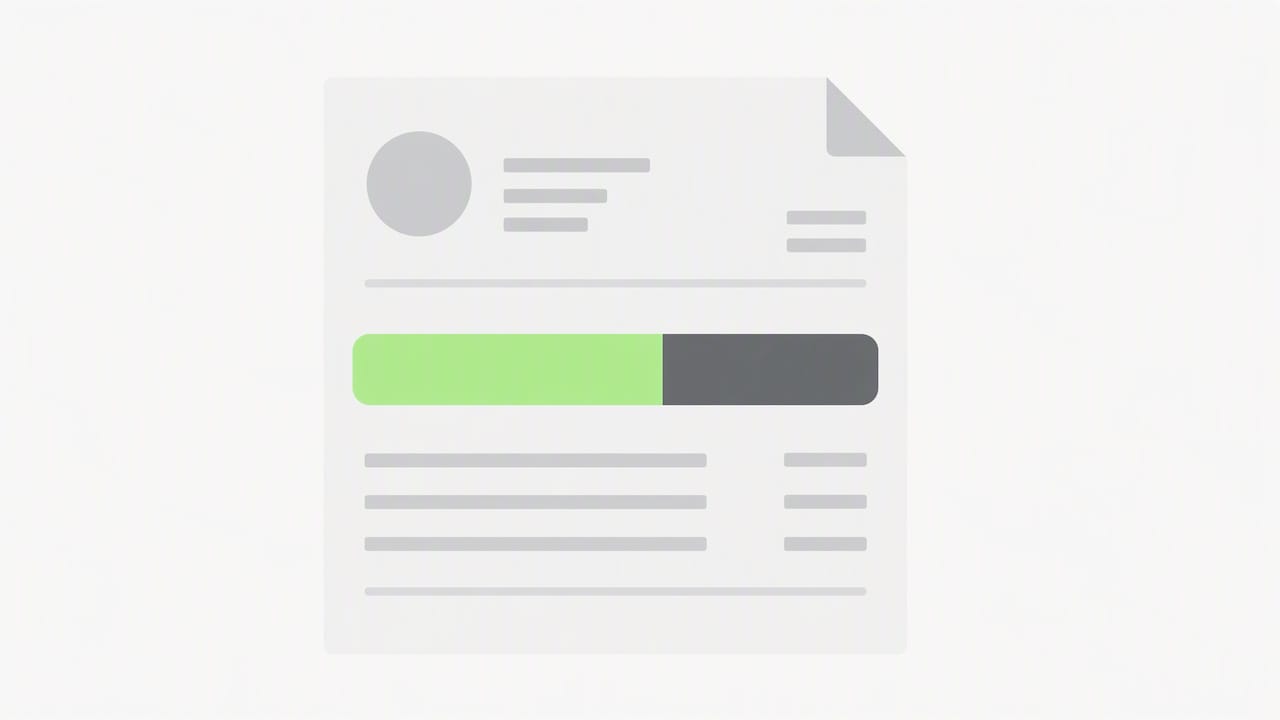
Post the receipt as a part payment against the specific invoice it relates to, and leave the remaining balance showing as outstanding on that invoice, not as a new or separate item. Mixing it into general cash or clearing the invoice as paid in full will make reconciliation and any later recovery action much harder to evidence.
VAT treatment depends on why the payment was short:
- If no prompt payment discount was agreed, VAT is normally still due on the full original invoice value until you issue a documented price adjustment.
- If a prompt payment discount was correctly offered and taken, the VAT treatment changes to reflect the discounted amount, as set out in HMRC’s guidance on prompt payment discounts.
- If you use the cash accounting scheme, VAT is accounted for on amounts actually received, and the HMRC cash accounting scheme guidance sets out a prescribed order for allocating part payments and treating receipts as VAT inclusive where VAT is not separately shown.
- Where a later price adjustment is agreed, a credit note issued under Regulation 38 lets you correct the VAT position properly rather than leaving it unreconciled.
Allocation records can affect whether a later interest or compensation claim holds up. HMRC’s debt management guidance notes that incorrect or undocumented allocation of partial payments can weaken a creditor’s later claim, so recording a consistent policy, commonly oldest debt first when the customer gives no instruction, and timestamping every allocation, protects your position. Reconcile the bank entry promptly and keep the remittance advice and any correspondence linked to the invoice number.
Communicating with the customer: reminder templates and negotiation steps
A staged approach works better than one angry email. Send a polite reminder within a few days of noticing the shortfall, a firmer reminder after about a week if nothing changes, and a final demand shortly after that if payment still has not arrived.
- Polite reminder: “Thanks for your payment on invoice [number]. We’ve recorded £[amount] received, which leaves a balance of £[amount] outstanding. Could you let us know when we can expect the remainder?”
- Firm reminder: “We’re still showing £[amount] outstanding on invoice [number], sent on [date]. Please arrange payment within [timeframe] or let us know if there’s an issue we should be aware of.”
- Final demand: “Despite previous reminders, invoice [number] remains £[amount] short. Please settle in full within [timeframe] to avoid further recovery action.”
If the customer wants to spread the remaining balance, put the payment plan in writing with clear instalment dates and what happens if one is missed. If they raise a dispute instead, ask for supporting evidence straight away. Under the government’s proposed reforms, disputes are expected to sit within a 30 day verification window, so treat that period as your working deadline for resolving or rejecting the challenge, and document every exchange.
Pro Tip: Keep every reminder on the same email thread as the original invoice so the full history is visible to anyone who later needs to review the case.
Escalation and recovery options: interest, compensation and legal steps
Once reminders have failed, you have several routes, each with its own cost and timeframe.
- Calculate statutory interest and fixed compensation: the late payment common framework on GOV.UK sets out statutory interest and fixed recovery sums that apply once a commercial debt becomes late, and you can read more on how the calculation works in our guide to late payment act interest.
- Factor in the incoming 30 day dispute window: the government’s late payment reform proposals point to stronger enforcement powers and a shorter runway for disputes to delay payment, so escalate sooner rather than waiting out an old‑style grace period.
- Decide between a formal pre‑action letter, a collection agency, or litigation: a pre‑action letter suits straightforward, undisputed shortfalls, while an agency or legal route suits older, larger or contested balances.
- Note the limitation period: contract debts in the UK are generally subject to a six year limitation period, so a part paid invoice from several years ago may be approaching its last realistic recovery window.
- Keep every document that proves the case: the original invoice, remittance advice, your allocation note, all correspondence, and the underlying contract all materially affect your chances of success.
Weigh the likely recovery against the cost of escalating, a small shortfall on a low value invoice rarely justifies court fees, while a substantial unpaid balance usually does. For a fuller walk‑through of these stages, our guide on how to recover unpaid invoices covers the escalation ladder in more detail.
When a specialist debt recovery platform makes sense
Some short paid balances are best handled by a specialist rather than chased in‑house indefinitely, particularly older, ghosted, international or genuinely disputed debts where professional intervention tends to move things faster than another internal email.
- We ask for the debt amount, its age, any remittance advice received, the underlying contract, and a record of prior communications.
- Accurate allocation records matter because they show exactly what was paid, when, and against which invoice.
- We match each case to a vetted agency based on debt type, size, age and location, so you are not contacting providers at random.
- Every referral follows a documented, ethical recovery process rather than a one size fits all approach.
A practical mindset for finance teams chasing short payments
Most short payments trace back to a handful of causes: a remittance error, confusion over a prompt payment discount, or a dispute that was never properly raised. Fixing the pattern matters more than chasing any single invoice.
Introducing reason codes and requiring a remittance reference on every payment speeds up reconciliation and flags genuine disputes earlier. Clear, consistent recordkeeping, paired with a firm escalation policy applied the same way every time, tends to discourage repeat short payers more than any individual stern email.
— Jack
How Debtrecoveryhub can help recover the unpaid balance
Once you have recorded the part payment, sent your reminders and issued a final demand without success, matching the case to a vetted agency through Debtrecoveryhub is a practical next move. We take details on the debt type, amount, age and location, then put the case in front of an agency suited to that profile rather than leaving you to contact providers one by one.

- Sign‑up takes a short intake covering the invoice, remittance history and any communications on file.
- Users typically receive a proposed agency match rather than a list to work through themselves.
Readers dealing with a part paid invoice specifically can also see how the process applies to their case on our part paid invoice recovery page.
FAQ
What is an invoice called when only part is paid?
It is usually called a short paid invoice or a part paid invoice, referring to the unpaid balance remaining after a partial payment. Some accounting systems label it a part payment or partial settlement against the original invoice number.
How much does invoice software typically cost?
Pricing varies widely by provider and feature set, and we do not publish software pricing ourselves since our service connects businesses with vetted debt collection agencies rather than selling accounting tools. Check the specific provider’s own pricing page for current rates.
What does “short pay” mean?
Short pay means a customer has paid less than the amount shown on the invoice, leaving a balance still owed. It can happen deliberately, such as during a dispute, or by mistake, such as a miscalculated discount or a bank transfer error.
How do you pay an invoice payment that was short paid?
The customer pays the remaining balance using the same reference as the original invoice, ideally quoting the invoice number so the business can match it correctly. Where a dispute exists, the balance is usually settled once the disputed amount is agreed or resolved, often following the 30 day verification process referenced in recent government proposals.
Sources
- Help with unpaid invoices — Small Business Commissioner
- VATVAL08500 – Special valuation provisions: prompt payment discounts – HMRC
- Time To Pay Up: Government response to late payments consultation – GOV.UK