


Acknowledge the dispute within 24 hours, pause chasing only the contested line, and ask for immediate payment of whatever part of the invoice remains undisputed. Open a single case file, ask the customer to name the specific lines they dispute and the remedy they want, and set a 3 to 5 working day target for your first findings. Everything else follows from getting these four things right at the start.
TL;DR:
- Build an evidence file from contracts, purchase orders, delivery records, and relevant timesheets or photos, numbering your documents E1 and customer submissions C1.
- Offer a credit note, corrected invoice, partial payment, or compromise, then confirm the chosen resolution in writing before closing the dispute.
- If the customer goes silent or misses agreed dates, send a formal Letter of Claim with the debt calculation, evidence, and a 28–30 day reply window.
- Continue collecting undisputed sums, but use a debt collection agency only after investigation narrows the dispute or the customer ignores uncontested amounts.
Table of Contents
- Step 1: acknowledge and triage the dispute
- Step 2: investigate and assemble the evidence
- Step 3: narrow the dispute and set out resolution options
- Step 4: when and how to escalate
- Step 5: collecting the undisputed balance while the dispute runs
- Preventing the next invoice dispute
- Why investigation first beats chasing harder
- How we can help once you decide to escalate
- FAQ
- Sources
Step 1: acknowledge and triage the dispute
Speed matters more than polish in the first message. According to CPA guidance, a reply within 24 hours, with a same-day response where possible, sets the tone and stops a vague complaint turning into a stalled account. That first message should confirm you have logged the dispute, name who is investigating it, and give a date by which you will come back with initial findings, typically within 3 to 5 working days.
Route the dispute to whoever can actually decide it. A sales contact might have made the promise that is now contested, accounts holds the payment history, and operations or delivery staff hold the proof of what happened on site. On anything above a routine query, loop in whoever signs off on credit notes or write-offs before you make commitments you cannot keep.
Your case file should capture, from day one:
- Dispute ID and the invoice number it relates to
- The specific disputed items or lines, with amounts
- Customer contact details and the date they first raised the issue
- An evidence log, updated as documents come in
- The first-response due date and who owns the investigation
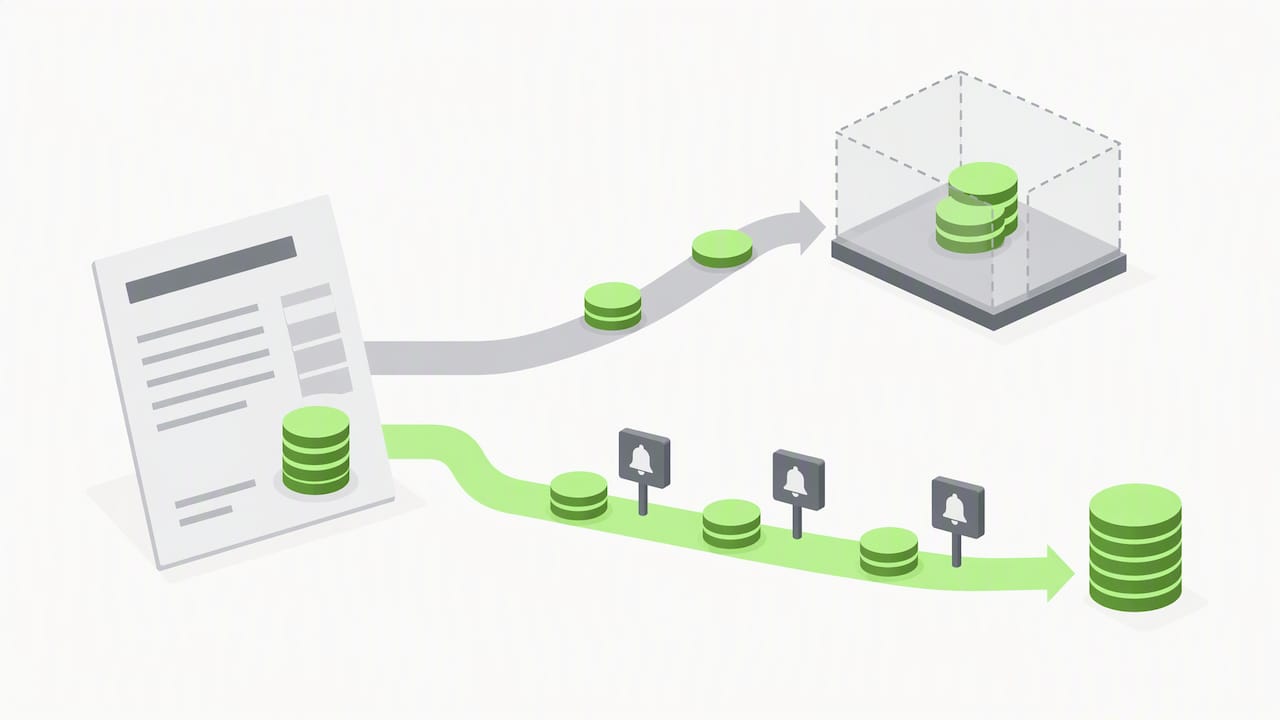
A partial dispute should never freeze the whole invoice. CPA’s guidance is clear that you continue collecting any undisputed balance while the contested amount is investigated separately.
Step 2: investigate and assemble the evidence
Before you can resolve anything, you need the paper trail that shows what was agreed and what was delivered. Allianz Trade’s guidance on disputed invoices recommends separating the contested line from the rest of the balance immediately, then building your case around:
- The signed contract or statement of work
- The purchase order, if one exists
- Delivery notes, proof of delivery or sign-off emails
- Timesheets, photos or test reports relevant to the disputed work
Number your own documents E1, E2, E3 and so on, and number whatever the customer sends back C1, C2, C3. Laying the two sets side by side makes it obvious, often within minutes, whether the objection has substance or whether it rests on a misunderstanding of scope.
Ask the customer directly for the exact line they dispute and the remedy they are seeking. Allianz Trade treats silence on this point, especially after repeated chasing, as a signal the dispute may not be genuine, though it still warrants a documented check. Where your own records are incomplete, go back to whoever did the job for a written account while memories are fresh, and keep every exchange dated so you have an auditable chronology if the matter ever needs to go further.
Pro Tip: Keep the E1/C1 numbering consistent across every letter you send; it turns a messy argument into a document anyone, including a mediator, can follow in minutes.
Step 3: narrow the dispute and set out resolution options
Once you have compared the evidence, put your findings in writing rather than over the phone. A First Findings letter should cover the facts as you understand them, your conclusion on each disputed line, the options you are offering, and a deadline for the customer to choose one. LawClarity’s guidance on invoice disputes recommends resolving a valid objection with a corrected invoice or credit note, explaining clearly where the objection does not hold up, or proposing a commercial compromise where liability genuinely is not clear cut.
In practice, the routes on offer usually come down to:
- A credit note for the disputed portion
- A corrected invoice reflecting the agreed scope
- A partial payment now with the balance resolved later
- Rework, a discount, or a staged fix in exchange for faster closure
Whichever route the customer picks, confirm it in writing before you treat the dispute as closed. LawClarity warns that a verbal promise to “sort it out” is not the same as an agreed resolution: get the credit note issued, the revised invoice sent, or the repayment schedule signed off, and record whether interest or late fees are waived or reinstated as part of the deal. Our guide on debt recovery letters has wording you can adapt for both the findings letter and the confirmation.
Step 4: when and how to escalate
Escalation becomes proportionate when the customer stops replying, acts in clear bad faith, or misses the dates they themselves agreed to. At that point, a formal Letter of Claim is the next lawful step rather than more informal chasing.
Under the pre-action conduct rules set out by the Ministry of Justice, a Letter of Claim should set out:
- The debt amount and how it was calculated
- Any interest or charges applied, and the basis for them
- The documents you are relying on
- A reply form or clear deadline, commonly 28 to 30 days, for the customer to respond
One in a common version of the Debt Claims Protocol gives debtors a 28 to 30 day reply window before court action can reasonably follow. That window exists to give both sides a last chance to settle without litigation, and courts expect it to be used properly.
Courts take a dim view of parties who skip this stage or ignore ADR. Pre-action guidance treats proportionate conduct, meaning genuine information exchange and consideration of mediation, as the baseline expectation, and failing to follow it can affect costs and how a judge manages the case later. Our letter before action guide walks through the structure in more detail if you reach this stage.
Step 5: collecting the undisputed balance while the dispute runs
None of the steps above should stop you collecting money that is not in dispute. Keep remittance instructions clear, keep reminders going on the undisputed portion, and offer a staged payment plan if the customer’s cash flow, rather than the dispute itself, is the real obstacle.
- Continue normal collection activity on any undisputed sums
- Offer a staged or partial payment arrangement where it helps close the account faster
- Bring in a debt collection agency only once the dispute is narrowed, or if the customer goes silent on amounts they have never actually contested
- Avoid threats that are out of proportion to the sum involved, and keep every document you will need if the matter later goes to pre-action
A debt collector is not a substitute for resolving a genuine contractual disagreement: chasing a disputed line through a third party before you have investigated it properly tends to harden positions rather than close them. Our piece on invoice ghosting covers the related problem of customers who stop responding altogether.
Pro Tip: Ring-fence the disputed amount in your accounting system so automated reminders stop targeting it, while the undisputed balance keeps moving through your normal collection workflow.
Preventing the next invoice dispute
Most disputes trace back to something that was never written down clearly enough. Tighten these before the next job goes out:
- Spell out the dispute process, time limits and acceptance criteria in your contract terms
- Require a purchase order before work starts, and reference it on every invoice
- Set out late-payment terms clearly, including when statutory interest under the Late Payment Act applies
- Itemise invoice lines, show VAT separately, and include a direct contact for queries
- Use acceptance forms or sign-offs at each project stage rather than one at the end
- Review closed disputes periodically to spot a pattern worth fixing in your contracts
For tradespeople working on tight margins, TradeTally’s playbook on resolving invoice disputes fast sets out templates aimed specifically at getting a dispute closed within days rather than weeks.
Why investigation first beats chasing harder
The instinct when an invoice goes unpaid is to chase harder. With a disputed invoice, that instinct usually backfires: it convinces the customer you are not listening, and it burns time you could have spent gathering the proof that actually settles the argument. Businesses that investigate before they escalate tend to keep the customer relationship intact and recover more of what they are owed, because the resolution is one both sides can live with rather than one imposed by a court. Where a dispute does need external support, matching the case to an agency that has handled similar disputes beats picking one at random.
— Jack
How we can help once you decide to escalate
We connect businesses with debt collection agencies selected based on the specifics of the case, such as debt type, age, amount, and debtor location, rather than leaving you to pick a provider blindly. If you have already been through the steps above and the dispute has either resolved into a clear undisputed balance or stalled completely, that is the point to bring in a specialist rather than keep chasing alone.

Our intake asks for the same detail a good agency needs on day one: the invoice history, the evidence file you have already built, and the outcome you want. From there we recommend agencies suited to the case rather than a generic shortlist. If you are ready to hand over a business debt, you can start with our Business Debt Recovery page and see what the next step looks like.
FAQ
What happens if you dispute an invoice?
The payment on the disputed line is typically paused while the issue is investigated, but any undisputed portion of the invoice should still be paid on the original terms. Once the supplier reviews the evidence, the dispute is usually resolved by a credit note, a corrected invoice, or a written agreement on a compromise amount, as set out in LawClarity’s guidance.
Can a disputed invoice go to collections?
A genuinely disputed invoice should not be sent to a collections agency until the dispute has been investigated and narrowed down to a clear position. A debt collector is not a substitute for resolving a real contractual disagreement, though collection activity can continue on any amount the customer has never actually contested.
Should I pay a disputed invoice or dispute it formally?
If you genuinely disagree with specific lines, raise the dispute formally and in writing rather than paying under protest, while settling any part of the invoice you do not contest. The Small Business Commissioner notes there is no fixed statutory timeframe for resolving a dispute, but expects both sides to work towards a conclusion promptly.
What happens after a dispute is raised and investigated?
Once the investigation is complete, the supplier should set out its findings in writing, offer resolution options such as a credit note or revised invoice, and confirm the agreed outcome in writing before treating the matter as closed. If the customer does not respond or rejects a reasonable offer, the next lawful step is a formal Letter of Claim under the pre-action protocol, which typically gives a 28 to 30 day window to reply before court action.
Sources
- What to do when a customer disputes an invoice – CPA | The Credit Protection Association
- Practice Direction – pre-action conduct and protocols – Civil Procedure Rules – Justice UK
- What are disputed invoices and how can they be resolved? – Allianz Trade
- Business customer disputes an invoice after the work is done – LawClarity
- Small Business Commissioner FAQ