

Waiting 90 days under business-to-business payment terms can leave you funding a customer’s business while your own bills keep arriving. For suppliers with unpaid invoices, that delay can turn a healthy order book into a working capital problem.
The proposed Small Business Protections Bill could limit longer payment periods for larger customers, but it isn’t a guarantee that existing contracts will change. The proposed reforms, rather than existing Late Payment Legislation, may affect longer arrangements, creating pressure when commercial invoices are delayed and unpaid commercial invoices accumulate. Its final effect depends on the bill’s wording, Parliamentary approval and commencement date, so you need to know what may change, which contracts may be affected, and how to protect your cash flow now.
Key Takeaways
- The proposed Small Business Protections Bill may introduce a 60-day payment cap for large businesses paying smaller suppliers, but its effect will depend on the final legislation, commencement date and contract terms.
- 90-day payment terms can create serious working capital pressure, particularly where suppliers must cover wages, VAT, materials and borrowing costs before receiving payment.
- Review contracts, purchase orders, commercial invoices and delivery records to check whether payment terms are valid, whether a genuine dispute exists and what interest or recovery costs may be claimed.
- Deposits, staged invoices, credit limits, clear due dates and written late-payment provisions can reduce exposure to unpaid commercial invoices without unnecessarily damaging customer relationships.
- If internal chasing fails, build a complete evidence pack and choose a proportionate recovery route, such as a debt collection agency, mediation, solicitor’s letter or court action.
How the proposed Small Business Protections Bill could restrict 90-day payment terms
The central idea is simple. If the proposed Late Payment Legislation sets a maximum period for large businesses buying from smaller suppliers, a customer may no longer demand 90 days as standard.
The Government has described reforms that include a 60-day cap for large firms paying smaller suppliers, alongside mandatory late-payment interest. Its announcement on the late-payment bill entering Parliament gives the clearest outline of the proposed direction.
However, the phrase “Small Business Protections Bill” may describe a late-payment proposal rather than its formal Parliamentary title. Check the latest Late Payment Legislation, its status and commencement provisions before relying on a new rule.
A law can affect long payment terms in different ways. It might:
- Make a term above a set limit unenforceable in certain contracts.
- Require large companies to report their payment practices.
- Create statutory interest and compensation when customers pay beyond the applicable deadline.
- Restrict wording that lets a buyer delay payment without good reason.
Those outcomes are not interchangeable. A clause may remain in a signed contract but be overridden by legislation. In another case, the clause might stand, while the customer faces an interest obligation after the statutory deadline.
Why 90-day terms can put pressure on working capital
An invoice can be profitable on paper but still leave you short of money. You may have paid wages, VAT, materials, rent and subcontractors long before the customer pays you.
For example, if you issue a £10,000 invoice on 90-day terms, that £10,000 may be unavailable for three months. If you need an overdraft or borrowing facility to cover the gap, the job’s margin falls. You may also turn down another order because you cannot afford the stock or labour.
Long payment periods are not automatically unlawful today. Some commercial arrangements have valid reasons for staged payment or longer credit. The concern arises when a powerful buyer treats 90 days as a non-negotiable condition for smaller suppliers waiting on unpaid commercial invoices.
Which businesses and contracts could be affected
Start with contracts where you sell to a much larger organisation. Wholesalers, contractors, agencies, consultants and manufacturers often issue commercial invoices within long payment cycles, particularly where work passes through several approval stages.
The contract date matters, as do the customer type, industry rules, agreed deadlines, delivery date and acceptance process. Public-sector contracts may follow separate procurement and payment requirements. A genuine invoice dispute can also change the position, and may require separate dispute resolution analysis rather than a simple refusal to pay.
Cross-border work needs extra care. If your customer is overseas, the governing-law clause, place of delivery and jurisdiction may affect your options. The Small Business Commissioner’s update on payment rights is useful context, but you should seek advice on the terms of your own contract. Industry-specific rules may also require separate checks.
What the new payment rules could mean for your unpaid invoices
A shorter statutory deadline will not put money in your bank account automatically. Suppliers and creditors dealing with unpaid commercial invoices still need accurate invoices, delivery evidence, regular reminders and a measured escalation plan.
If you need help recovering unpaid invoices, you can speak with Commercial Debt Recovery. A debt collection agency providing debt recovery services can assess the documents, value, age and dispute history behind outstanding debts before you choose a recovery route.
Check whether your 90-day clause is still valid
Review the signed contract, purchase order, payment terms, terms and conditions, invoice and any later written variation. Then match them against the relevant commercial invoices, delivery notes, acceptance records, timesheets or completion emails.
For unpaid commercial invoices, the debtor company may say the goods were incomplete, a purchase order was missing or the work needed approval. Assess the debtor’s explanation and deal with any real dispute promptly. Do not let an unexplained “query” become a reason for indefinite delay.
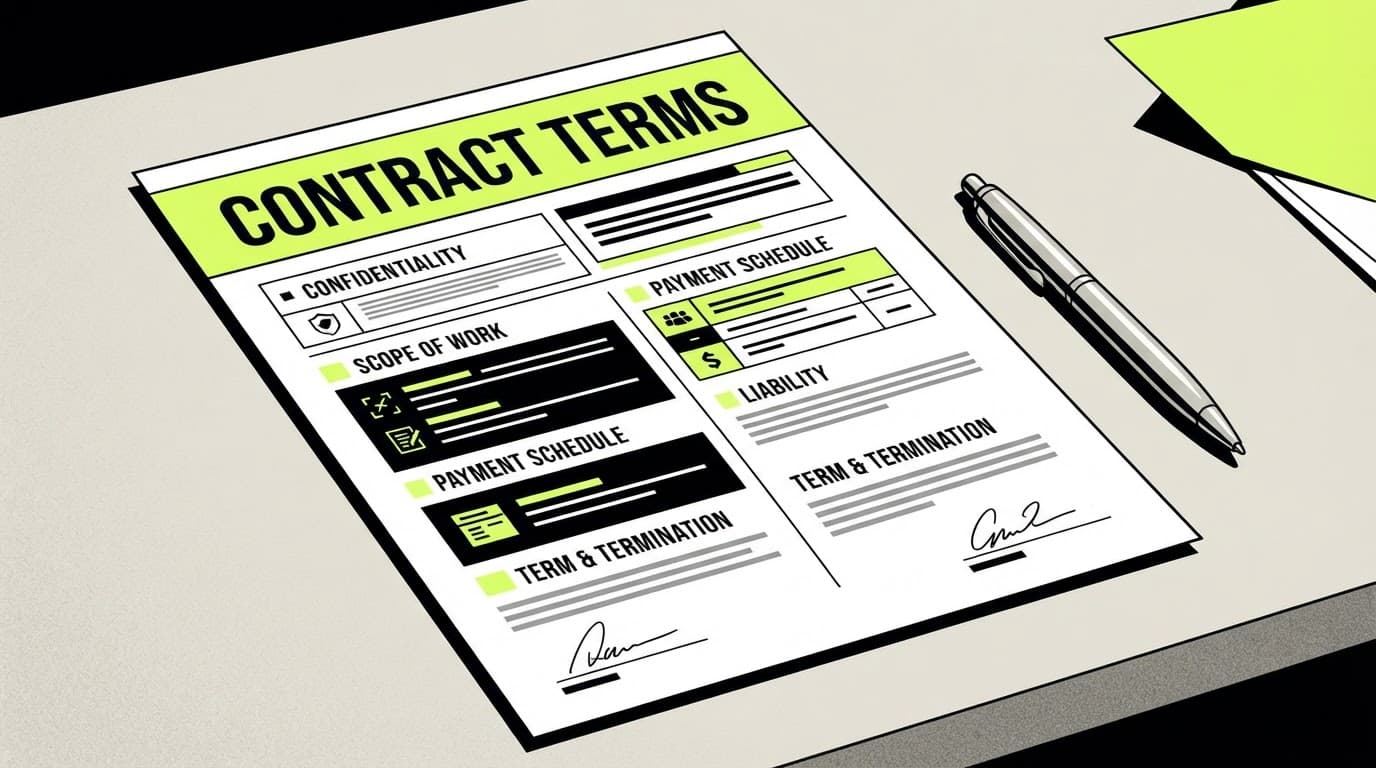
If the bill’s effect, your clause or the alleged dispute is unclear, ask a legal adviser or suitable debt recovery specialist to review it. Proposed reforms and Late Payment Legislation may affect existing clauses. Recent legal commentary on the impact of the UK late-payment bill on commercial contracts also stresses that contract arrangements may need updating.
If internal chasing fails, a properly evidenced legal claim may be considered as part of a measured recovery process.
Calculate the real cost of waiting for payment
Record the invoice value, original due date, days overdue, borrowing costs and any business you could not take on because cash was tied up. Then check the applicable Late Payment Legislation before demanding interest, statutory interest and compensation, or debt recovery costs. Each amount must be supported by the contract or relevant law.
This comparison shows why the same £10,000 commercial invoice creates different cash flow pressures at each deadline. The figures are illustrative, not a statement of law.
| Payment term | Cash received after invoicing | Effect on working capital |
|---|---|---|
| 30 days | About one month | Easier to plan wages and suppliers |
| 60 days | About two months | May require a larger cash reserve |
| 90 days | About three months | Can force borrowing or delayed spending |
The point is not that every customer will pay on day 30. It is that shorter agreed terms give you an earlier and clearer point to chase payment.
A payment cap can improve your contract position, but your records remain the foundation of any recovery claim.
How to replace 90-day terms without losing good customers
You do not need to choose between rigid demands and accepting every term offered. Match your payment terms to the order size, customer history and delivery costs.
A reliable customer with a modest recurring order may justify limited credit. A new buyer requesting a large bespoke project should face tighter controls. Discuss the terms before work starts, so both sides can agree practical arrangements.
Use deposits, staged invoices and credit limits
A deposit suits work that requires upfront materials or reserved capacity. For a project, staged invoices can link payment to agreed milestones and reduce exposure to unpaid commercial invoices. For stock orders, payment on delivery or a credit limit can prevent one customer from consuming too much cash.
Direct debit can help with regular services, provided your agreement makes the collection date clear. State exactly when ownership, delivery or a work milestone triggers payment. Ensure your commercial invoices reflect that trigger, as vague phrases such as “payment on completion” invite disagreement.
Put late-payment steps into your contract
Your terms should state a due date, acceptable delivery evidence, dispute deadline, interest terms and debt recovery costs. Explain when those costs may be recoverable, and include your right to suspend further work where lawful.
Send the terms before you begin work and obtain written acceptance. A verbal promise to pay in 30 days offers weak protection if the purchase order later says 90. You should not try to rewrite terms only after the invoice becomes overdue.
A named accounts contact, reminder timetable and documented credit control process can also help check invoices before work begins. Make sure the debtor knows who handles queries, so issues are resolved before they delay payment.
Proposed reforms may make some long terms harder to use, but well-drafted contracts still prevent avoidable disputes. The latest legal overview of UK late-payment reform notes that Late Payment Legislation, proposed limits and interest rights may change over time. Clear terms and supporting evidence also make any later recovery process more efficient.
What to do when a customer ignores the new payment deadline
First, check that the invoice reached the right person and that the purchase order details are correct. This is the first step when pursuing unpaid commercial invoices. Next, contact the accounts team politely and ask the debtor for a firm payment date. Keep every reply.
If payment still does not arrive, send a formal reminder setting out the invoice number, sum due, due date and the action you may consider next. Before adding interest or costs, check the current Late Payment Legislation. A Letter Before Action may be appropriate where internal chasing has failed and your documents support the debt.
Distinguish between a genuine dispute and a debtor who is simply ignoring you. A respectful paper trail gives the creditor a stronger position and protects the relationship where payment is still possible.
Build an evidence pack before you escalate
Gather the material that proves the agreement, performance and amount due for your unpaid commercial invoices:
- The contract, terms, purchase order and all invoices.
- Copies of the relevant commercial invoices, delivery notes, signed acceptance, timesheets or completion records.
- Emails, statements of account and a dated record of calls and reminders.
- Evidence of any complaint, credit note, part-payment or payment promise.
A complete file helps a recovery provider assess the debt quickly. The debtor’s response, any dispute and the age and value of the debt may require a more detailed review before you escalate.
Choose the right recovery route for your invoice
The best route depends on the debt, not your frustration with the customer. Commercial debt collection should follow a proportionate recovery process, based on the evidence and the debtor company’s position.
| Route | When it may suit | Main consideration |
|---|---|---|
| Internal chasing | Recent, undisputed invoices | Keeps costs low but can take staff time |
| Debt collection agency | Clear commercial debts | Check authority, conduct and debt recovery costs |
| Mediation | A relationship worth preserving | Dispute resolution works only when both sides engage |
| Solicitor’s letter | Serious or disputed cases | A solicitor can assess whether a legal claim is appropriate |
| Court action | Strong evidence and no resolution | Legal proceedings may lead to a County Court Judgment, but recovery is not guaranteed |
Before appointing anyone, compare debt recovery services and check their fees, complaints process, data-protection approach and authority to act. Ask whether a dedicated case manager will handle the matter and confirm the likely debt recovery costs. A debt collection agency should communicate accurately and professionally, with a dedicated case manager available where that service is offered.
If judgment is obtained, enforcement action may be possible, depending on the facts and the order made. Solicitors can advise whether a High Court Enforcement Officer or county court bailiff is suitable. These options usually follow an appropriate judgment or order and are not automatic next steps. Firm, accurate contact is more effective than aggressive pressure.
Frequently Asked Questions
Does the bill cancel existing 90-day contracts?
Not necessarily. The effect of the proposed Late Payment Legislation will depend on the final wording, commencement provisions and your contract. Check whether the rules cover existing agreements, renewals or only new contracts entered after a set date.
Will a 60-day cap apply to every business transaction?
Public proposals focus on large firms paying smaller suppliers. The final scope may include definitions, exclusions and special rules for commercial invoices. Do not assume that every transaction falls within the proposal.
Can you charge interest as soon as an invoice is late?
You may have contractual or statutory rights to interest, but check the terms and current law first. Send a clear calculation and avoid adding charges you cannot support. If payment still does not arrive, review the debt and pre-action requirements before considering legal proceedings.
What if the customer says the invoice is disputed?
Ask the debtor to identify the exact issue in writing and provide evidence. If they accept part of the invoice, request payment of the undisputed amount while you address the remainder. If you seek external help, ask whether you will have a dedicated case manager to discuss progress and next steps.
Should you stop supplying a late-paying customer?
Your contract may allow suspension, but check the clause and commercial consequences before acting. A written repayment plan or reduced credit limit may be safer where supply is critical. Base the decision on your recovery process, the customer’s conduct and the protection available under the contract.
Protecting Cash Flow Before Payment Becomes a Crisis
The Bill may change the position, but it won’t collect an overdue invoice. Effective credit control, accurate records and timely escalation still matter.
Review future payment terms and check current law before relying on new protections. Keep complete records, including commercial invoices, for every transaction. Give outstanding debts prompt attention and set a clear response date for the debtor. As a creditor, understand debt recovery costs before instructing a provider. If it genuinely offers a dedicated case manager, confirm what support is included.
When internal chasing fails, debt recovery services can support a proportionate recovery process. Early, fair action protects cash flow and worthwhile customer relationships.